The convergence of HR technology and HR operations: why professional services firms are rethinking their people infrastructure
Key insights
- HR technology and HR operations are converging as organisations seek more joined-up people strategies, improved employee experience and greater operational efficiency
- Professional services firms are investing in HR transformation, workforce planning and HR technology implementation to create scalable and future-ready people functions
- Demand for HR technology professionals is growing, particularly those with expertise in Workday, SAP SuccessFactors, HR systems and HR operations
- People analytics is becoming a strategic priority, helping organisations make data-driven decisions around talent management, employee retention and workforce planning
- Artificial intelligence and automation are reshaping talent acquisition, supporting candidate matching, recruitment efficiency and workforce management
Across professional services firms, conversations about HR are changing.
While HR systems have long been viewed as the technology that sits behind people processes, organisations are increasingly recognising that technology alone is not enough. Instead, firms are focusing on how their systems, processes and people work together to deliver a more effective employee experience, stronger workforce planning and better business outcomes.
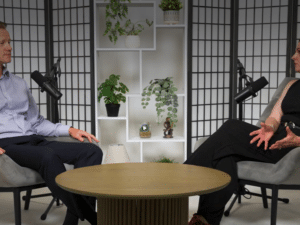
In a recent discussion, James Baker explored how global law firms, consultancies and professional services organisations are evolving their approach to HR technology. Their insights point to a clear trend: the convergence of HR operations, HR systems, people analytics and broader HR strategy.
As firms continue to invest in digital transformation, growing pressure to improve efficiency, strengthen talent management and utilise workforce data more effectively is creating demand for a new generation of HR professionals who can bridge the gap between technology and operations.
HR leaders are taking a closer look at their tech stack
For many HR leaders, CHROs and chief talent officers, one of the biggest priorities today is understanding whether their existing HR technology ecosystem is delivering value.
Conversations are no longer limited to selecting a new HRIS or replacing outdated HR software. Instead, organisations are assessing how every component of their tech stack contributes to workforce outcomes, employee engagement and business performance.
This is particularly evident within global consultancy firms, where recruitment activity often involves thousands of vacancies and tens of thousands of applicants each year.
Many organisations are exploring how artificial intelligence, machine learning, generative AI and advanced AI tools can improve recruitment processes, reduce time-to-hire and create a more personalised candidate experience.
One example discussed was Eightfold, an AI-powered platform that sits on top of an applicant tracking system. Platforms such as these use automation and workforce data to match candidates to appropriate vacancies, support talent acquisition teams and improve overall recruitment efficiency.
For large employers, improving candidate experience is about far more than hiring. It also supports employer branding, employee retention and long-term talent attraction strategies.
These developments reflect wider HR market trends and insights that continue to reshape professional services organisations.
HR transformation is driving changes to operating models
Technology investment is only one part of the picture.
Many global law firms are simultaneously reviewing their HR operating model as part of broader HR transformation and change programmes.
International organisations must support growing employee populations while managing different employment law requirements across multiple jurisdictions. This complexity has created significant demand for professionals who understand both HR operations and technology.
As a result, firms are investing heavily in:
- HR transformation
- Change management
- Workforce planning
- Workforce management
- Process improvement
- Global operating model design
- HR technology implementation
The objective is not simply to modernise systems. Instead, organisations are seeking to create more efficient and scalable ways of working that improve employee experience while supporting long-term business growth.
This is creating opportunities for HR professionals with expertise across both operational HR and technology-led transformation.
Professionals interested in this area can explore opportunities across Frazer Jones where demand continues to grow. where demand continues to grow.
People analytics is replacing traditional reporting
One of the most significant developments in recent years has been the shift from reporting towards insight generation.
Historically, firms focused on reporting headcount, attrition and organisational structure. Today, senior leaders want access to richer insights that support workforce strategy and commercial decision-making.
This has increased demand for professionals specialising in people analytics and HR analytics.
Rather than simply producing reports, organisations want individuals who can use workforce data to understand trends and tell meaningful stories about what is happening within the business.
Examples include:
- Employee engagement trends
- Employee retention risks
- Performance management outcomes
- Talent development effectiveness
- Internal mobility opportunities
- Workforce planning challenges
- Skills gaps across the organisation
For many law firms and consultancies, understanding these trends has become essential for maintaining a competitive advantage.
As organisations compete for talent, data-driven decision making is increasingly shaping learning and development programmes, succession planning and broader talent management strategies.
Insights from organisations such as the CIPD continue to reinforce the growing importance of workforce data and evidence-based HR decision making.
Workday and SuccessFactors continue to dominate HR technology implementation projects
Across professional services firms, many organisations are moving away from legacy systems and investing in enterprise-level HCM platforms.
Workday and SAP SuccessFactors continue to be among the most widely adopted solutions within law firms and global consultancies.
However, these programmes are far more complex than a simple system replacement.
Successful HR technology implementation often requires firms to rethink entire people processes, redefine ownership and improve operational consistency before any technology is configured.
These initiatives commonly include:
- Data migration
- Workforce management improvements
- Benefits administration reviews
- Compliance tracking enhancements
- Onboarding redesign
- Learning management systems integration
- Performance management improvements
As organisations modernise their HR systems, they are increasingly recognising that technology should support better processes rather than simply automate existing inefficiencies.
This means HR technology specialists must understand both systems and human resources processes.
The line between HR systems and HR operations is disappearing
One of the strongest themes emerging from the professional services market is the ongoing convergence of HR systems and HR operations.
Historically, organisations viewed these disciplines separately.
HR operations teams focused on employee processes and service delivery, while HR systems teams managed technology.
Today, those boundaries are becoming increasingly blurred. For example, organisations implementing Workday cannot simply replicate existing processes. Before any configuration begins, teams must evaluate onboarding, employee lifecycle management, approvals, workflow design and operational effectiveness.
Likewise, HR systems professionals are expected to understand how HR processes function in practice and how employees interact with technology throughout the hire-to-retire lifecycle.
This convergence is creating demand for professionals with expertise in:
- HR operations
- HR systems
- HR strategy
- Workforce planning
- Change management
- Organisational design
- Employee experience
- HR transformation
- HR automation
- Digital transformation
The result is a growing market for individuals who can operate comfortably across both technical and operational environments.
Global consistency remains a key challenge
For many international law firms, one of the biggest priorities is achieving greater consistency across global operations.
Most firms want common processes, reliable reporting and standardised workforce data. However, differences in local regulations, employment law requirements and working practices often make complete standardisation difficult.
Global organisations must balance central control with local flexibility.
This challenge has become even more significant as hybrid and remote work models continue to evolve.
From performance reviews and goal setting to employee engagement surveys and workforce reporting, firms need consistent ways of capturing information while still accommodating regional differences.
As a result, many organisations are investing in global harmonisation programmes aimed at improving consistency across HR systems, HR operations and workforce management practices.
What does the future hold?
Looking ahead, several trends appear set to continue shaping the professional services HR market.
Firstly, investment in Workday, SuccessFactors and wider HCM ecosystems is expected to continue.
Secondly, organisations will place greater emphasis on people analytics, workforce strategy and data-driven decision making.
Thirdly, technologies powered by artificial intelligence, machine learning and emerging forms of agentic AI will continue to influence talent acquisition, employee engagement and workforce planning.
Many organisations are also beginning to explore how platforms such as ServiceNow and Salesforce integrate with broader HR technology environments to support automation and operational efficiency.
Perhaps most importantly, the convergence of HR systems and HR operations will continue to accelerate.
As organisations pursue digital transformation, future HR teams will increasingly require professionals who can combine technology expertise, operational understanding and strategic thinking to support long-term business success.
How Frazer Jones can help
Frazer Jones partners with organisations across professional services, legal services and consulting to recruit specialists in HR technology, HR operations, people analytics and transformation.
Whether you are looking to strengthen your talent acquisition team, build capability within HR systems, explore opportunities in learning and development or hire experienced HR professionals, our consultants can help.
Explore the latest jobs or browse our latest HR insights and market intelligence to stay informed about developments across the professional services sector.